
Understanding the Importance of High-Protein Cooking
In today's fast-paced world, the challenge of eating well often feels insurmountable. Busy professionals, families, and everyday athletes are caught in a cycle of convenience over quality, frequently opting for quick fixes that compromise nutrition. High-protein cooking emerges as a practical solution, addressing the urgent need for meals that not only satisfy hunger but also nourish the body. This approach doesn't just fill the stomach; it fuels productivity, enhances recovery, and supports overall well-being.
Why does this matter? The answer lies in the profound impact that nutrition has on our daily lives. Consuming adequate protein is crucial for maintaining muscle mass, managing weight, and sustaining energy levels. Yet, the reality is that many of us struggle to integrate high-protein options into our busy schedules. This disconnect leads to frustration and often results in reverting to less nutritious choices, perpetuating the cycle of unhealthy eating habits.
High-protein meals keep you full longer and provide the energy needed to thrive in everyday life.— Pete — Clinical Personal Trainer
High-protein cooking is not merely a diet trend; it's a lifestyle shift that empowers individuals to take control of their eating habits. By focusing on convenience without sacrificing quality, we can create a sustainable path toward better nutrition. Embracing this approach can lead to significant improvements in health, fitness, and overall quality of life.
Understanding the Foundation of High-Protein Cooking
High-protein cooking is more than just a dietary trend; it is a systematic approach that aligns with the busy lives of professionals, families, and athletes. At its core, the foundation lies in understanding the critical role protein plays in our nutrition. Protein is essential for muscle repair, energy maintenance, and satiety, making it a key component of any meal.
To effectively integrate high-protein cooking into your routine, you must grasp three fundamental principles: the time-efficient preparation of meals, the strategic use of common supermarket ingredients, and the importance of meal planning. These principles not only simplify the cooking process but also ensure that nutritious meals are accessible, even on the most hectic days.
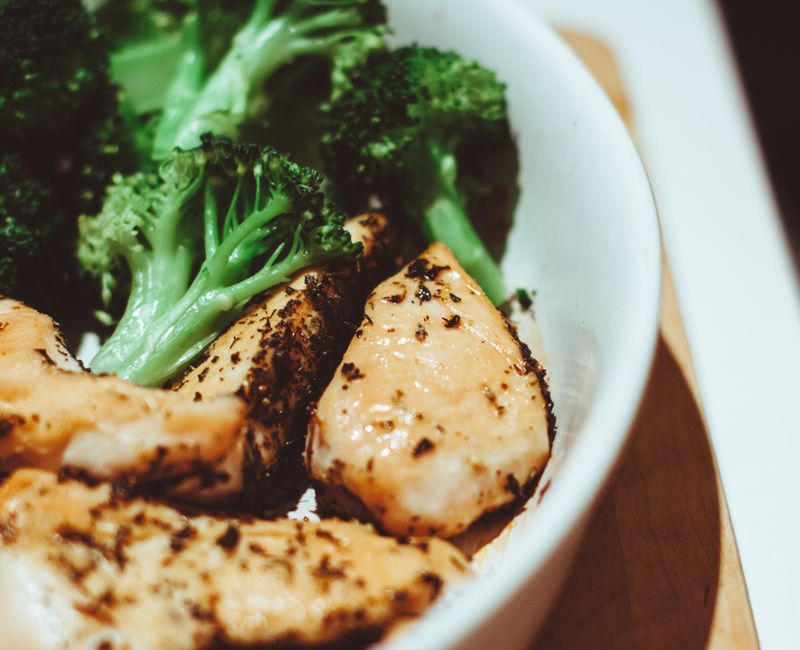
Realistic meal preparation is paramount—each recipe is designed to take no longer than 30 minutes, enabling you to whip up nutritious dishes without the stress of extensive cooking times. This approach is complemented by the use of readily available ingredients from local supermarkets, ensuring that you can maintain a high-protein diet without the hassle of specialty shopping.
Furthermore, meal planning becomes a powerful ally in your journey. By organizing your week ahead of time and selecting a handful of high-protein recipes, you can create a sustainable routine that supports your health goals while fitting seamlessly into your lifestyle.
High-protein cooking transforms the way busy professionals approach their nutrition, making it achievable and enjoyable.— Pete, Clinical Personal Trainer
Maximising Your High-Protein Cooking Potential
Understanding the principles of high-protein cooking is essential, but applying them effectively within a busy lifestyle is where many individuals struggle. To truly benefit from high-protein meals, it is critical to develop practical habits that make cooking not just feasible, but enjoyable.
Building a Routine
Establishing a consistent cooking routine can significantly enhance your ability to prepare high-protein meals. Start by allocating specific days for meal prep. For example, you might choose to dedicate Sundays for batch cooking proteins such as chicken or legumes. This not only saves time during the week but also ensures you always have nutritious options readily available.
Utilising the Storecupboard
A well-stocked store cupboard is a game changer. Ensure you have a variety of high-protein staples on hand, such as canned beans, lentils, and frozen seafood. These ingredients can easily combine with fresh produce to create quick and satisfying meals. For instance, a can of chickpeas can be transformed into a hearty salad or a protein-rich curry in minutes.
Embracing Flexibility
Flexibility is an essential component of sustainable cooking. Allow yourself the freedom to adjust recipes based on what you have available. If a recipe calls for chicken but you have tofu, feel empowered to make the swap. This not only reduces food waste but also encourages culinary creativity.
Healthy eating doesn't have to be restrictive; it's about making practical choices that fit your life.
Enjoying the Process
Finally, remember to enjoy the cooking process. Experiment with spices and flavors to discover what you love. Cooking can be a therapeutic activity that allows you to unwind while preparing nourishing meals for yourself and your loved ones.
Common Missteps in High-Protein Cooking
As with any culinary approach, misconceptions and pitfalls can hinder your journey to high-protein cooking. Understanding these common mistakes can help you navigate your way to a more successful and enjoyable cooking experience.
Overcomplicating Recipes
One major pitfall is the tendency to overcomplicate meals. High-protein cooking doesn't have to involve elaborate recipes with hard-to-find ingredients. Many nutritious options can be prepared in under 30 minutes, using simple techniques and everyday ingredients. By focusing on straightforward recipes, you can reduce stress and make cooking a more enjoyable part of your routine.
Neglecting Meal Prep
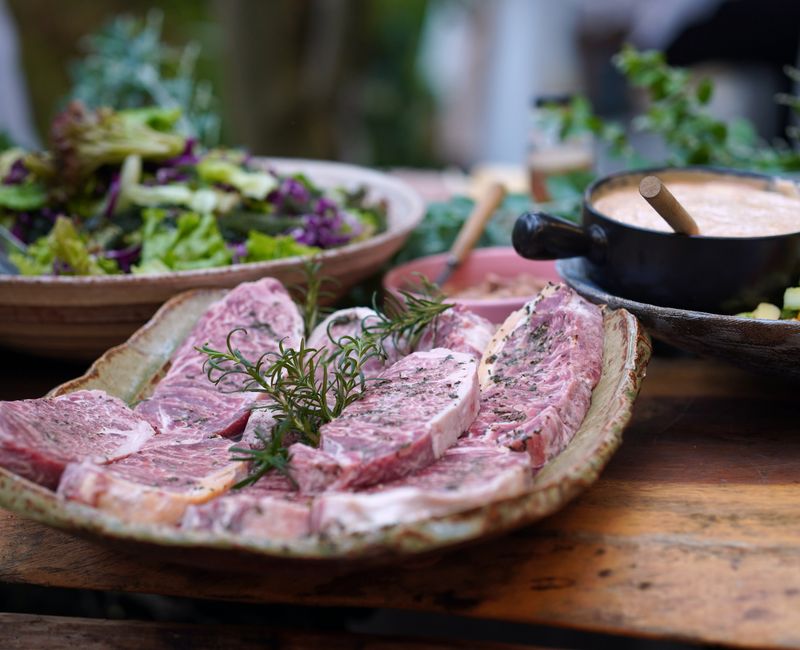
Another common mistake is neglecting meal prep. Failing to plan ahead can lead to reliance on convenience foods that often lack the protein content needed for balanced nutrition. Dedicate a little time each week to prepare ingredients or entire meals in advance. This not only saves time during busy weekdays but also ensures you have nutritious, high-protein options available.
Ignoring the Importance of Variety
Eating the same high-protein meals repeatedly can lead to boredom and nutritional deficiencies. It's essential to incorporate a variety of protein sources, such as legumes, lean meats, dairy, and plant-based options. This diversity not only keeps your meals interesting but also helps ensure you receive a wide range of nutrients.
Assuming All Proteins Are Equal
Lastly, a misconception exists that all protein sources are created equal. While animal proteins typically contain all essential amino acids, some plant proteins may lack one or more. It’s vital to understand the differences and combine sources appropriately to ensure you’re meeting your dietary needs.
Navigating high-protein cooking is about simplifying, planning, and diversifying your meals.
Real-Life Applications of High-Protein Cooking
Understanding the principles of high-protein cooking is one thing; applying them in everyday life is another. Let’s explore how busy professionals or families can seamlessly integrate high-protein meals into their routines.
Case Study 1: The Busy Family
Meet the Johnsons, a family of four with hectic schedules. Between school, work, and extracurricular activities, they often found themselves resorting to takeout. After adopting the Project:You principles, they stocked their pantry with essential ingredients and dedicated one day a week to meal prep. They now prepare three high-protein meals in advance, allowing them to enjoy wholesome dinners like Smoky Scrambled Eggs or Sesame Chicken & Edamame Noodle Bowl on busy weeknights. This shift not only improved their nutrition but also fostered family bonding during meal prep.
Case Study 2: The Professional on the Go
Then there's Sarah, a marketing executive who rarely has time to cook. By incorporating overnight oats into her routine, she ensures a nutritious breakfast that requires no morning effort. She also keeps a stock of microwave rice pouches and frozen prawns for quick lunches. With recipes like Teriyaki Salmon and Spiced Lentil & Spinach Soup, Sarah has transformed her approach to food, finding herself more energized and focused throughout her busy workdays.
Common Scenarios and Solutions
- Stuck with limited ingredients? Use a well-stocked storecupboard for a quick meal like Chickpea and Tomato Stew in under 15 minutes.
- Late work hours? Embrace freezer-friendly meals; cook extra portions of Chicken Tikka Masala and store for future busy evenings.
- Craving comfort food? Modify classic recipes with high-protein ingredients—try adding Greek yogurt to sauces or opting for lentils in pasta dishes.
Real change begins in the kitchen, not the gym.
Advanced Strategies for High-Protein Cooking
As you deepen your engagement with high-protein cooking, consider the nuanced aspects that can elevate your culinary experience and nutritional intake. Mastering the art of protein cooking involves not just the basics, but also an understanding of how to optimize flavors, textures, and nutritional profiles.
Ingredient Pairing for Enhanced Nutrition
Think beyond simple recipes. Pairing high-protein foods with complementary ingredients can enhance nutrient absorption and flavor. For instance, combining vitamin C-rich foods like bell peppers or broccoli with iron-rich sources like lentils or chicken can improve iron absorption significantly.
- Lentils with citrus-based dressings
- Chicken stir-fried with bell peppers
- Quinoa salads with avocado and lime
Utilizing Cooking Techniques for Texture
Experimenting with cooking techniques can transform your meals entirely. For instance, sous-vide cooking allows for precise temperature control, ensuring your proteins are juicy and tender. Alternatively, searing proteins at high heat creates a Maillard reaction, adding depth and complexity to flavors.
Incorporate marination for at least 30 minutes to enhance flavor and tenderness. Use acidic ingredients like yogurt or vinegar to break down protein fibers.
Moreover, consider the role of meal prep in maintaining a high-protein diet. Batch cooking not only saves time but also allows you to control ingredients and portion sizes, ensuring that your meals remain aligned with your nutritional goals.
High-protein cooking is as much about understanding science as it is about creativity.

Lastly, the importance of seasonality and sourcing fresh, local ingredients cannot be overstated. Seasonal produce not only maximizes flavor but also nutritional content, supporting both your health and local agriculture.
Empower Your Journey to Better Health
As you reflect on the insights and strategies shared throughout this guide, remember that effective change begins with actionable steps. Project:You is not just a program; it’s a commitment to a lifestyle that prioritizes health and well-being. The high-protein cooking methods and principles outlined here are designed to seamlessly integrate into your busy life, enabling you to nourish your body without the stress of complicated meal prep or the guilt of last-minute takeout.
By adopting the Project:You approach, you’re not only enhancing your nutritional intake but also cultivating sustainable habits that empower you to thrive. With over 100 high-protein recipes, personalized coaching, and a community of like-minded individuals, you’ll have the tools and support necessary to make lasting changes. You don’t have to strive for perfection; consistency in your choices will lead to significant improvements in your health and energy levels.
Health and fitness begins in the kitchen.
Take the next step towards a healthier you. Embrace the journey with Project:You and discover how easy and enjoyable cooking can be when it's tailored to fit your lifestyle. Your transformation starts today.